
Explore the anatomy of garage door components and understand how each part works together to ensure smooth operation and security for your home.
A garage door is more than just a large panel that opens and closes. It’s a complex system of carefully designed parts that combine to provide functionality, safety, and durability. Understanding the anatomy of garage door components helps homeowners make informed decisions about maintenance, repair, and upgrades.
Whether you’re a homeowner curious about how your garage door works or you’re considering an upgrade or replacement, knowing the anatomy of garage door systems can save you time and money. A well-maintained garage door enhances curb appeal and protects your home and belongings.
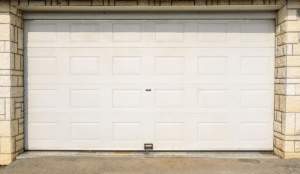
In this guide, we’ll break down the complete anatomy of garage door components, offering insights into their functions, maintenance tips, and expert recommendations. This comprehensive overview aligns with today’s best practices and helps you confidently approach garage door ownership.
Why Understanding the Anatomy of Garage Door Matters
Knowing the anatomy of garage door systems is crucial for several reasons. First, it helps you identify issues early, preventing minor problems from turning into costly repairs. Second, understanding how different components work together ensures you can communicate effectively with repair professionals.
Garage doors are significant moving parts of your home and contribute to overall security and energy efficiency. Familiarity with the anatomy of garage door mechanisms empowers you to make better choices when selecting materials, insulation, and safety features.
Moreover, regular inspection and maintenance of key components can extend the lifespan of your garage door and improve its performance. With a solid understanding of its anatomy, you’ll be better equipped to care for this essential home feature.
The Basic Framework of the Anatomy of a Garage Door
At its core, the anatomy of garage door systems includes structural elements that provide support and motion. Here’s an overview of the main components:
Door Panels
Garage doors typically consist of several horizontal panels that connect with hinges. Panels can be made from steel, aluminum, wood, composite, or fiberglass. The choice of material affects durability, insulation, and appearance.
Tracks
Vertical and horizontal tracks guide the door’s movement. The door rides along these tracks as it opens and closes. Tracks must be properly aligned to ensure smooth operation.
Rollers
Rollers, which sit inside the tracks, enable the door panels to move up and down smoothly. Regular lubrication helps maintain roller efficiency and minimizes wear.
Hinges
Hinges connect individual door panels, allowing them to flex as the door moves along the curved portion of the tracks.
Springs
Torsion springs or extension springs counterbalance the weight of the door, making it easier to open and close. Springs are under high tension and should be serviced by professionals.
Cables
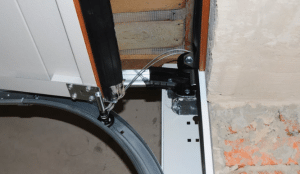
Lift cables run from the bottom of the door to the torsion spring system, helping to lift the door. Damaged or frayed cables should be replaced immediately to avoid accidents.
Key Moving Parts in the Anatomy of a Garage Door
Several moving parts play vital roles in the anatomy of garage door systems. Regular maintenance of these components ensures safe and efficient operation.
Torsion Spring System
Located above the door, torsion springs wind and unwind to provide the force needed to lift and lower the door. They store mechanical energy and are critical for balanced operation.
Extension Springs
Found on the sides of the door, extension springs expand and contract to help move the door. They are typically used in lighter doors or in conjunction with torsion systems.
Bearing Plates
Bearing plates hold the torsion spring system in place and allow the springs to rotate smoothly.
Drums and Cables
Drums, located on the torsion shaft, help wind and unwind the lift cables. The cables connect to the bottom brackets and assist in lifting the door.
Bottom Brackets
Bottom brackets anchor the cables and provide attachment points at the lower corners of the door.
Safety & Convenience Features in the Anatomy of Garage Door
Modern garage doors incorporate several safety and convenience features. These elements enhance functionality while protecting people and property.
Garage Door Opener
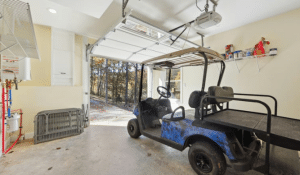
The opener is an electric motorized device that automatically opens and closes your garage door. Many openers include smart features for remote control and monitoring.
Safety Sensors
Photoelectric sensors detect obstacles in the path of the closing door and automatically reverse its movement to prevent injury or damage.
Manual Release
The emergency release allows homeowners to manually operate the garage door during power outages or mechanical failures.
Weather Seals
Weather seals around the edges of the garage door prevent drafts, water intrusion, and debris from entering your garage.
Maintenance Tips for the Anatomy of Garage Door Components
Maintaining the anatomy of garage door systems ensures long-lasting performance and safety. Here are expert-recommended tips:
1. Inspect and Lubricate Moving Parts Regularly
The hinges, rollers, tracks, and springs of your garage door experience frequent movement and stress. Over time, this can lead to wear and tear that affects the smooth operation of the system. Inspect these components monthly for signs of rust, damage, or misalignment.
- Lubrication Tip: Use a silicone-based lubricant or garage door-specific spray on rollers, hinges, and tracks. Avoid using heavy grease, which can attract dirt and debris.
2. Check Door Balance for Smooth Operation
An unbalanced garage door puts strain on the opener and can cause premature motor wear. To check the balance:
- Disconnect the automatic opener by pulling the emergency release cord.
- Manually lift the door halfway and release it. A properly balanced door will remain in place or move slightly.
- If it falls or shoots up, the spring tension likely needs adjustment—contact a professional to resolve this safely.
3. Inspect and Replace Weather Seals
Weather seals along the bottom and edges of your garage door help prevent drafts, water intrusion, and pest entry. These seals also support energy efficiency.
- Check for cracks, brittleness, or gaps.
- Replace seals promptly if they appear worn to maintain climate control and reduce energy costs.
4. Test All Safety Features
Garage doors are equipped with safety mechanisms designed to prevent injuries and property damage.
- Photoelectric Sensors: These should be aligned and free from debris. Place an object in their path and attempt to close the door—the door should reverse automatically.
- Auto-Reverse Feature: Test by placing a small object (like a roll of paper towels) on the ground under the door. If the door doesn’t reverse when contacting the object, servicing is needed.
5. Schedule Annual Professional Maintenance
While many maintenance tasks can be handled by homeowners, some components—especially high-tension parts like springs, cables, and pulleys—require expert handling.
- Hire a certified garage door technician at least once a year for a comprehensive inspection.
- Professionals can detect hidden issues early, adjust spring tension, align tracks, and ensure your opener system is functioning optimally.
Frequently Asked Questions
What is the bottom part of a garage door called?
The bottom part of a garage door is called the bottom seal or bottom weatherstrip. It helps prevent drafts, debris, and water from entering under the door.
What is the metal around the garage door called?
The metal surrounding the garage door is typically called the garage door frame or garage door trim, often made of aluminum or steel. It supports the door and creates a finished look.
What are the parts on a garage door?
Key garage door parts include panels, hinges, rollers, tracks, torsion or extension springs, cables, and weatherstripping. These parts work together to allow smooth and safe opening and closing.
What is the strip around the garage door called?
The strip around the garage door is called weatherstripping or vinyl stop molding. It seals the sides and top of the door to keep out wind, rain, and pests.
What are garage door sections?
Garage door sections are the horizontal panels that make up the full height of the door. Hinges connect these sections and allow the door to bend and follow the track as it opens and closes.
Conclusion
Understanding the anatomy of garage door systems empowers you better to maintain one of your home’s most significant moving components. Each part plays a vital role in providing smooth operation, security, and aesthetic appeal, from panels and tracks to springs and openers.
Routine maintenance and timely repairs keep your garage door functioning safely and efficiently. Whether you’re troubleshooting an issue or planning an upgrade, knowing how your garage door works puts you in control.
If you need expert guidance or professional service, Wallen Garage Door Repair and Installation in Hampton Roads, VA, is here to help. Our experienced team ensures your garage door operates flawlessly and meets your needs.
End Note
Wallen Garage Door Repair and Installation proudly serves the Hampton Roads, VA area with expert installation, maintenance, and repair services. We also cover Gloucester County, Suffolk, and Smithfield.
We’re more than just a garage door company. Our team brings years of experience to every job. We ensure every component of your garage door is secure, tightening loose nuts, bolts, and screws. We help you choose the right solutions, like keypad systems, and back it all with friendly, expert service. Learn more about who we are on our About Us page.
Look at our Gallery for recent work or check out our Blog for helpful tips. Wallen Garage Doors is here to make garage door problems simple and stress-free.
Wallen Garage Door Repair and Installation
732 Bluecrab Rd Ste D, Newport News, VA 23606, United States
+17572564543