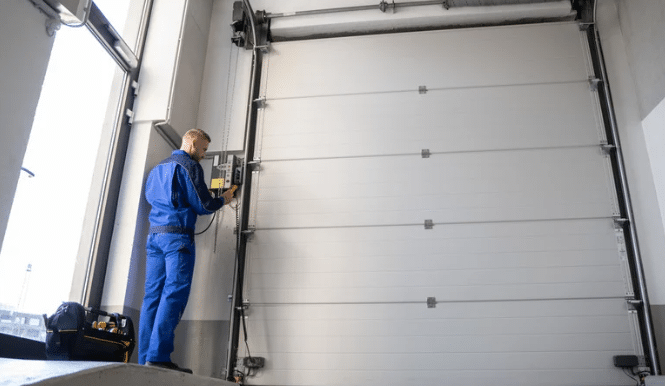
Find out what the limit switch on garage door systems does, how it affects door operation, and get expert tips on adjusting and troubleshooting this essential component.
A well-functioning garage door relies on precise control to open and close safely. One critical component responsible for this control is the limit switch on garage door openers. Whether you’re dealing with a door that won’t fully close or reverses unexpectedly, understanding the limit switch can help you diagnose and resolve common issues.
Homeowners often overlook the importance of the limit switch on garage door systems until problems arise. Knowing how it works and how to adjust it empowers you to maintain your door’s smooth operation and avoid unnecessary service calls.
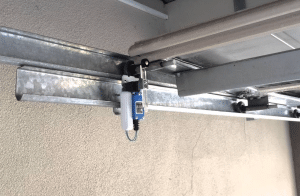
In this guide, we explain the role of the limit switch on garage door openers, offer step-by-step instructions on adjustments, and provide troubleshooting tips. Our expert-backed advice aligns with best practices to help you confidently handle basic maintenance.
What Is the Limit Switch on Garage Door Systems?
The limit switch on garage door openers controls how far the door travels during opening and closing cycles. It ensures that the door stops at the correct positions, preventing damage to the door, opener, and surrounding structure.
Modern garage door openers use adjustable limit switches, typically controlled by turning screws or dials on the motor unit. These switches set the maximum travel distance for the up (open) and down (closed) positions.
When properly set, the limit switch on garage door systems ensures the door closes snugly against the ground and opens to the correct height without overextending. Incorrect settings can cause the door to stop short, reverse unexpectedly, or fail to close completely.
Why Is the Limit Switch on the Garage Door Important?
Understanding and maintaining the limit switch on garage door openers is essential for several reasons:
1. Safety
One of the primary functions of the limit switch is to control how far the garage door travels when opening and closing. If the switch is not correctly set, the door might slam into the ground too hard or rise too high into the opener’s housing. These scenarios can pose significant safety hazards to people, pets, and vehicles. By stopping the door at just the proper position, the limit switch helps prevent accidents and injuries.
2. Proper Operation
A well-calibrated limit switch ensures the door opens completely and closes tightly every time. If the switch is off, you may find that the door doesn’t entirely shut, leaving gaps that could compromise your home’s security or allow weather elements and pests to enter. On the other hand, an improperly set switch might cause the door to stop short of fully opening, making it inconvenient for vehicles to enter or exit.
3. Energy Efficiency
When the garage door closes snugly against the ground, it forms a tight seal that helps regulate temperature and protect against drafts. This seal is essential in maintaining energy efficiency, especially if your garage is attached to your home. A poorly adjusted limit switch can prevent the door from closing properly, resulting in higher heating and cooling costs.
4. Motor Protection
The garage door opener motor is designed to operate within specific parameters. The motor may run unnecessarily if the limit switch fails to stop the door at the correct points, leading to overheating or added wear and tear. Over time, this can reduce the lifespan of the opener and increase maintenance costs.
5. Preventing Wear and Tear
Repeated improper door travel can strain various parts of the system, including springs, cables, and rollers. A limit switch that is even slightly off can cause gradual but significant damage, leading to more frequent repairs or even the need for early replacement of key components.
Without a correctly adjusted limit switch, you may encounter frequent malfunctions or even cause premature wear on key components.
How to Adjust the Limit Switch on the Garage Door
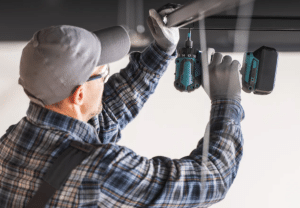
Adjusting the limit switch on garage door openers is a straightforward process. Follow these steps for a safe and effective adjustment:
Preparation
- Disconnect the opener from power to avoid accidental activation.
- Use a sturdy ladder to reach the motor unit safely.
- Refer to your opener’s manual for specific adjustment instructions, as designs vary by manufacturer.
Adjusting the Down Limit (Closing Position)
- Locate the “down” limit adjustment screw or dial on the opener.
- Turn the screw clockwise to decrease the travel distance (door will stop higher).
- Turn the screw counterclockwise to increase the travel distance (door will close farther).
- Reconnect power and test the door. Repeat adjustments as needed until the door closes fully without excessive force.
Adjusting the Up Limit (Opening Position)
- Locate the “up” limit adjustment screw or dial.
- Turn the screw clockwise to reduce the open height.
- Turn the screw counterclockwise to increase the open height.
- Test the door to ensure it opens fully without straining the mechanism.
Final Testing
- After adjustments, test both the auto-reverse function and manual operation to confirm proper settings.
- Verify that the door seals securely at the bottom and opens without hitting stops or binding.
Common Problems with the Limit Switch on Garage Door
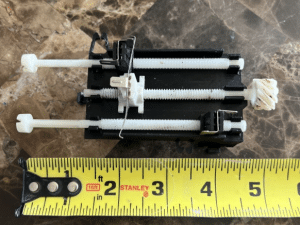
Several issues can arise if the limit switch on garage door openers is misadjusted or malfunctioning:
- Door Reverses Before Closing: The down limit is set too far, causing the opener to think it has hit an obstacle.
- Door Doesn’t Close Completely: The down limit is set too short, leaving a gap at the bottom.
- Door Opens Too High: The up limit is set too far, potentially straining the system or causing mechanical interference.
- Door Stops Mid-Cycle: Faulty or dirty limit switch contacts can interrupt the door’s travel.
If adjusting the limit switch does not resolve the issue, further inspection of related components such as sensors, tracks, or opener logic may be necessary.
When to Call a Professional for Limit Switch Issues
While basic adjustments are often DIY-friendly, some problems with the limit switch on garage door systems require professional attention:
- Repeated Malfunctions: If the limit switch does not hold its setting, or adjustments have no effect.
- Electrical Issues: Frayed wiring or damaged contacts in the switch circuit.
- Complex Openers: Some newer models use digital or programmable limit switches that require specialized tools or software.
- Safety Concerns: If you’re unsure about working with electrical components or high-tension springs.
In these cases, contacting a qualified garage door professional ensures safe and proper repairs.
Frequently Asked Questions
What is the limit switch on a garage door?
The limit switch on a garage door controls how far the door travels when opening or closing. It prevents the door from going too high or slamming into the ground.
How do I reset my garage door limit switch?
To reset the limit switch, locate the adjustment screws on your garage door opener and turn them slightly—clockwise for a shorter travel distance, counterclockwise for more. Test the door after each adjustment until it opens and closes correctly.
Where is the garage door limit switch located?
The limit switch is typically found on the garage door opener unit, near the motor housing. It may be adjusted with dials, screws, or sliding levers depending on the model.
What is the purpose of a limit switch?
The limit switch ensures your garage door opens and closes to the correct positions. It also helps protect the motor and the door from damage by stopping movement at safe points.
What are the symptoms of a limit switch problem?
Common signs include the door not closing all the way, reversing unexpectedly, or stopping mid-cycle. These issues can indicate that the limit switch needs adjustment or replacement.
Conclusion
The limit switch on garage door systems plays a vital role in ensuring safe, reliable operation. When correctly adjusted, it prevents mechanical strain, enhances safety, and provides your garage door opens and closes as intended.
Regular inspection and maintenance of the limit switch can prevent common operational problems and extend the life of your garage door opener. Whether you handle simple adjustments or rely on professional service, understanding this essential component empowers you as a homeowner.
For expert garage door service in Hampton Roads, VA, trust Wallen Garage Door Repair and Installation. Our team is ready to help you with limit switch adjustments, repairs, and comprehensive garage door maintenance.
End Note
Wallen Garage Door Repair and Installation is proud to serve Hampton Roads, VA, with precision, professionalism, and a deep understanding of garage doors. From installation to detailed repair services in Hampton, Williamsburg, and Toano, we’re equipped to handle all your garage door needs. Our team has the expertise to make the necessary adjustments, replacements, or repairs that restore your system to perfect working order.
What sets us apart is our commitment to detailed diagnostics. Our meticulous inspections cover every component, ensuring that nothing is overlooked. Whether it’s a minor adjustment or a complete overhaul, our accurate assessments lead to practical solutions. If your garage door opener or clicker is giving you trouble, our skilled technicians are ready to resolve the issue and bring back smooth, safe operation.
Learn more about our team and values by visiting our About Us page. Browse our Gallery to see our work, read helpful tips and updates on our Blog, or explore career opportunities with us. Follow us on Facebook, Instagram, and Pinterest for more insights and inspiration. At Wallen Garage Doors, we’re committed to delivering top-tier service and peace of mind every time.
Wallen Garage Door Repair and Installation
732 Bluecrab Rd Ste D, Newport News, VA 23606, United States
+17572192124