
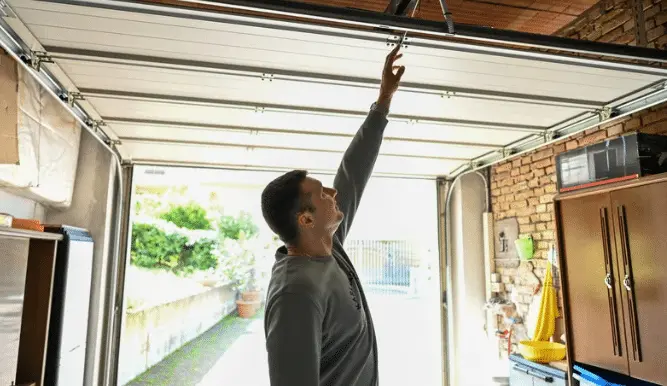
Learn how to balance a garage door with step-by-step guidance. Keep your garage door running efficiently and avoid costly repairs.
A properly balanced garage door is essential for safe, efficient, and long-lasting operation. When a garage door becomes unbalanced, it places extra stress on the opener, wears out parts faster, and can become a safety hazard. Knowing how to assess and address balance issues is a key skill for responsible homeowners.
You may have asked yourself: How do you balance a garage door? The answer involves carefully inspecting the springs, alignment, and door movement. Balancing a door isn’t always a DIY task, but understanding the process lets you detect problems early and know when to call for professional help.
In this guide, we’ll explain the symptoms of an unbalanced garage door, walk you through how to balance it, and provide safety tips every homeowner should follow. Whether you’re troubleshooting or performing regular maintenance, this blog includes actionable information grounded in real expertise.
Why Garage Door Balance Matters
Garage doors operate under significant tension, and balance plays a central role in smooth functionality. An unbalanced door can cause a wide range of problems:
- Excess Strain on the Opener
An unbalanced garage door puts added stress on the automatic opener. The opener is designed to work with a door that is properly counterbalanced by the springs. When the door is too heavy on one side or in general, the opener has to work harder than intended. Over time, this strain can cause the motor to wear out prematurely or even fail entirely, leading to costly repairs or replacement.
- Safety Hazards
Garage doors that are not balanced properly can become dangerous. An off-balance door may fall suddenly if the spring system fails or may be difficult to stop mid-motion. This creates a risk of injury to people or pets and can also cause damage to vehicles or other property stored in the garage.
- Operational Problems
You might notice that an imbalanced garage door doesn’t move smoothly. It may jerk, move unevenly, or get stuck halfway. These signs are not just annoyances—they are indicators of an underlying problem that can worsen over time if left unaddressed.
- Accelerated Wear and Tear
Components such as springs, cables, and rollers are designed to operate under specific conditions. Imbalance throws off those conditions, causing these parts to wear out more quickly. This can lead to frequent breakdowns and a higher need for maintenance or replacement parts.
- Increased Repair and Maintenance Costs
Because an unbalanced door can cause damage to multiple components at once, homeowners may find themselves facing higher repair bills. Regular tune-ups and inspections can help identify balance issues early, but if ignored, the damage can escalate quickly.
Understanding how to balance a garage door allows you to keep these issues in check and maintain optimal performance.
Signs Your Garage Door Is Unbalanced
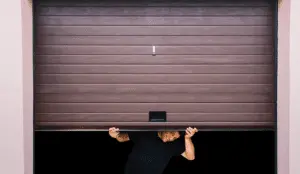
Before you try to correct the problem, you need to know how to recognize it. Here are common indicators of an unbalanced garage door:
Difficulty Lifting the Door Manually
If you disconnect the automatic opener and try to lift the door manually, it should move with minimal effort and stay open when lifted halfway. If the door feels unusually heavy or slides back down when released, this is a clear sign that it is unbalanced.
Uneven Appearance When Closed
Both sides should rest evenly on the ground when the garage door is fully closed. If one side appears lower than the other, this imbalance could be due to uneven spring tension or worn components.
Strange Noises During Operation
Grinding, squeaking, or straining noises while the door is opening or closing often indicate mechanical stress. These sounds may be caused by an unbalanced door putting pressure on the rollers, tracks, or opener.
Inconsistent or Incomplete Movement
An unbalanced door may not close completely, or it might reverse direction before reaching the ground. This behavior can confuse the opener’s sensors and compromise the security and function of the door.
Excessive Strain on the Opener
If your automatic opener seems to struggle, vibrate excessively, or make labored sounds when operating the door, it may be compensating for an imbalance. Over time, this strain can wear out the motor and other critical components.
How Do You Balance a Garage Door? Step-by-Step Guide
Balancing a garage door requires care and precision. Always prioritize safety. If your door uses torsion springs, consider calling a professional. Here’s how to check and, if safe, balance the door:
Step 1: Disconnect the Opener
- Pull the emergency release cord to disconnect the garage door opener.
- This allows manual operation so you can assess balance accurately.
Step 2: Perform a Balance Test
- Raise the door halfway and release it.
- A balanced door will stay in place.
- If it rises or falls, it’s likely out of balance.
Step 3: Inspect the Springs
- Look for gaps in torsion or extension springs.
- Broken or worn springs are a common cause of imbalance.
Step 4: Adjust the Springs (Only If Safe)
- Extension Springs: These may have adjustable clips. Move the clip to increase or decrease tension.
- Torsion Springs: These are under high tension. Do not adjust them unless you are trained. Call a professional.
Step 5: Reconnect the Opener and Test
- Once balanced, reconnect the opener.
- Test the door through a full cycle and listen for smooth operation.
Safety Precautions When Balancing a Garage Door

Garage doors are under significant tension. When learning how to balance a garage door, safety should be your top priority:
- Avoid DIY Torsion Spring Adjustments
These springs are under extreme tension and can be dangerous. Leave this to trained professionals. - Wear Protective Gear
Gloves and safety glasses protect against sharp components and debris. - Clear the Area
Keep children, pets, and bystanders away during testing or repairs. - Use a Stable Ladder
Ensure it’s on a flat surface. Maintain balance and avoid overreaching. - Know When to Call a Professional
It’s best to consult a qualified garage door technician for spring, cable, or motor issues.
Maintaining garage door balance is essential for safety, functionality, and cost-effectiveness. Recognizing early warning signs and following strict safety practices can prevent major issues and extend the life of your garage system. When in doubt, professional help ensures the job is done right—and safely.
Frequently Asked Questions
How to make sure a garage door is balanced?
To check if your garage door is balanced, disconnect the opener by pulling the release cord, then manually lift the door halfway. If it stays in place without rising or falling, it’s appropriately balanced.
How to check the balance of a garage door?
After disconnecting the opener, lift the garage door by hand and let go when it’s halfway up. A balanced door should remain still; if it moves up or down, the springs may need adjustment.
Do garage doors need to be balanced?
Yes, garage doors must be balanced to ensure smooth operation and reduce strain on the opener. An unbalanced door can cause wear on components and may lead to malfunction or safety issues.
What happens if a garage door is not balanced?
An unbalanced garage door may feel heavy, slam shut, or strain the opener. Over time, this can damage the motor, cause uneven wear, and pose potential safety risks.
How does a garage door become unbalanced?
Garage doors can become unbalanced due to worn springs, loose cables, general wear and tear, changes in tension, or physical damage.
Conclusion
Balancing a garage door helps you maintain safe and reliable performance year-round. It reduces wear on parts, protects your opener, and ensures smooth operation every time you use it. If you’ve ever wondered how to balance a garage door, it typically starts with checking whether it stays in place when partially opened.
While most homeowners can perform basic checks, adjustments to high-tension components should be left to experienced professionals. Recognizing the signs early and knowing your limits is key to preventing bigger issues.
If your garage door is showing signs of imbalance, don’t wait. Trust the experienced technicians at Wallen Garage Door Repair and Installation in Hampton Roads, VA, to restore balance and safety to your system.
End Note
Wallen Garage Door Repair and Installation in Hampton Roads, VA offers expert service and dependable solutions for homeowners facing garage door issues. Whether you’re learning how to balance a garage door or need hands-on help, we provide professional care tailored to your home.
We proudly offer garage door installation and residential garage doors throughout Hampton Roads. Our skilled team handles garage door repair across Hampton, Yorktown, Carrollton, and Gloucester County.
For inspiration and more tips, check out our gallery and blog. Visit our about page to meet the team or explore careers if you’re looking to join a leader in the industry. Stay updated by following us on Pinterest, Facebook, and Instagram. Let Wallen Garage Door Repair and Installation help you achieve balance in every part of your garage system.
Wallen Garage Door Repair and Installation
732 Bluecrab Rd Ste D, Newport News, VA 23606, United States
+17572192124