Your garage door opener is one of those things you never think about until it stops working. It runs quietly in the background of your daily routine, responding to a button press every time you leave for work or pull back into the driveway at the end of the day. When it starts acting up, the frustration sets in fast, and the big question becomes whether you need a garage door opener repair or whether it is time to replace the unit entirely.
The answer depends on what is actually wrong, how old the opener is, and whether the problem is isolated or part of a bigger pattern of wear. This article breaks down the most common opener issues, what causes them, and how to figure out the right path forward for your home.
How a Garage Door Opener Works
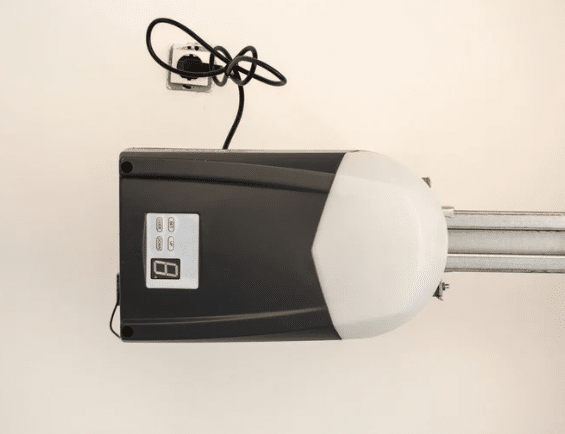
Before diving into what goes wrong, it helps to understand what a garage door opener actually does. At its core, the system consists of a motor unit mounted to the ceiling of the garage, a drive mechanism that moves the door along its track, safety sensors positioned near the floor on either side of the door, and the controls you use to operate it, whether that is a remote, a wall button, or a smartphone app.
When you press the button, the motor activates and engages the drive system, which pulls or pushes the door open or closed depending on its current position. The safety sensors communicate with the motor to stop or reverse the door if something breaks the beam between them. The remote and wall controls send signals to a receiver inside the motor unit, which triggers the full operation of the system. Understanding which part is failing is the first step toward deciding whether garage door opener repair will solve the problem or whether the system has reached the end of its useful life. Taking the time to learn the basics of how your opener works can save you from unnecessary replacements and help you communicate more clearly with a technician.
Common Garage Door Opener Problems and What Causes Them
The Opener Makes Noise But the Door Does Not Move
When the motor runs but the door stays put, the problem is usually with the drive system rather than the motor itself. A worn or broken drive gear, a snapped trolley, or a disconnect in the carriage assembly can all prevent the motor’s power from reaching the door. If the springs are broken, the door becomes too heavy for the opener to lift, and the motor will strain without result. A technician can quickly determine whether the problem lies in the opener or in another part of the garage door system.
The Door Reverses Before Fully Closing
When your garage door starts descending and reverses before reaching the floor, the safety sensors are usually the first place to look. Misalignment, dirt on the lens, or a wiring issue can cause them to trigger even when nothing is in the way. The close limit settings can also cause this behavior. If the opener is programmed to think the floor is higher than it actually is, it will interpret the resistance of hitting the ground as an obstruction and reverse. Both are typically straightforward garage door opener repair jobs that do not require replacing the entire unit.
The Remote or Wall Control Is Not Responding
When your controls stop working, the problem can be as simple as a dead battery in the remote or as involved as a failed logic board in the motor unit. If the wall control works but the remote does not, the issue is likely with the remote itself or the antenna on the motor unit. If neither control is responding, the problem points to the motor unit’s receiver or circuit board, which may require professional garage door opener repair or component replacement.
The Opener Works Intermittently
An opener that works sometimes and not others is one of the more frustrating issues to diagnose. Intermittent operation is often tied to electrical issues, a failing logic board, interference from nearby devices, or a wiring connection that is loose but not fully broken. Temperature can also play a role, particularly in Hampton Roads, VA, where humidity and seasonal changes affect electronic components. A professional garage door opener repair assessment can help identify the pattern and isolate the cause before the problem worsens.
The Motor Runs Continuously After the Door Stops
A motor that keeps running after the door has fully opened or closed is a sign that the limit settings are off. When those settings drift out of calibration, the motor does not receive the signal to stop and continues running until it times out or is manually shut off. This is generally a straightforward garage door opener repair that involves adjusting the limit switch settings on the motor unit. Left unaddressed, a continuously running motor generates excessive heat and can shorten the lifespan of the unit significantly.
The Door Opens or Closes on Its Own
A garage door that moves without being commanded is understandably alarming. The most common cause is signal interference from a neighbor’s remote, a nearby radio frequency source, or a short in the wall control wiring. If the problem is interference, reprogramming the opener to a new frequency often resolves it. If the circuit board is the source, garage door opener repair may involve replacing that component, and depending on the age and condition of the unit, replacement of the entire opener may be a more practical solution.
When Garage Door Opener Repair Is the Right Call
Garage door opener repair makes the most sense when the issue is limited to a single component that can be replaced without affecting the rest of the system. Safety sensor realignment, remote reprogramming, limit switch adjustment, and circuit board replacement are all repairs that can restore full function to an otherwise healthy unit.
If your opener is less than ten years old and has been generally reliable, repair is almost always worth pursuing first. The cost of replacing a single component is significantly lower than the cost of a new opener, and a well-maintained unit can deliver many more years of reliable service after a targeted repair.
When Replacing the Opener Makes More Sense
There are situations where garage door opener repair is a short-term solution to a long-term problem. If your opener is more than ten to fifteen years old and has required multiple repairs over a short period, the cost of continued maintenance can quickly approach or exceed the cost of a new unit.
Older openers also lack the safety and convenience features standard on modern systems. Auto-reverse technology, battery backup for power outages, and smartphone compatibility are all features that newer openers offer and that older units cannot be retrofitted with. Recurring issues with the same component, particularly the motor or logic board, are also a strong signal that replacement is the smarter investment. A professional evaluation helps you weigh those costs clearly before committing to either option. Getting that expert perspective early prevents you from spending money on repeated repairs when a new unit would serve you better in the long run.
Get a Professional Assessment from Wallen Garage Doors
How long do garage door openers typically last?
Most garage door openers have a lifespan of ten to fifteen years with regular use and basic maintenance. Units in high-use households or those exposed to extreme temperatures may experience wear sooner, while well-maintained openers in moderate climates can sometimes last longer.
Can I repair a garage door opener myself?
Some minor issues, such as replacing a remote battery or cleaning sensor lenses, can be handled without professional help. However, repairs involving the motor, circuit board, wiring, or drive system should always be handled by a qualified garage door opener repair technician to avoid injury or further damage to the system.
How much does garage door opener repair cost?
Repair costs vary depending on the nature of the issue and the components involved. Simple adjustments and sensor repairs tend to be on the lower end, while motor or circuit board replacements carry a higher cost. A professional assessment will give you an accurate estimate based on your specific situation.
What is the most common reason a garage door opener fails?
Worn drive gears and faulty circuit boards are among the most frequent causes of opener failure. Regular maintenance, including lubrication of the drive system and periodic inspection of wiring and sensors, can significantly extend the life of your opener and reduce the likelihood of unexpected failure.
Get a Professional Assessment from Wallen Garage Doors
If your garage door opener is giving you trouble and you are not sure whether repair or replacement is the right move, the best next step is a professional evaluation. Wallen Garage Doors serves homeowners throughout Hampton Roads, including Newport News, Virginia Beach, Suffolk, Yorktown, and surrounding areas in Virginia. Reach out today to schedule an assessment and get your garage door opener working the way it should.