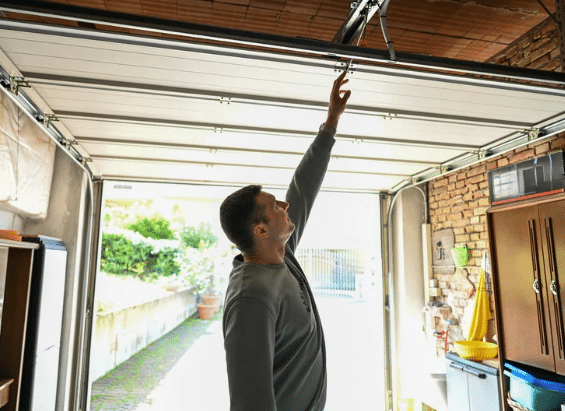
Garage door stuck open? Learn how to fix a garage door that won’t close all the way with these practical, effective steps.
A garage door that won’t close all the way is more than an inconvenience. It can compromise your home’s security, energy efficiency, and safety. Whether the issue started suddenly or has been getting worse over time, many homeowners wonder, “How do you fix a garage door that won’t close all the way?” This common concern can often be solved with a few strategic steps.

Several reasons may prevent a garage door from closing completely. These include sensor misalignment, obstructions in the door’s path, mechanical wear, or issues with the opener settings. Knowing how to fix a garage door that won’t close all the way means identifying the root cause quickly and applying the correct solution.
Top Reasons Why Your Garage Door Won’t Close Completely
Misaligned or Dirty Safety Sensors
Modern garage doors are equipped with safety sensors—also known as photo-eye sensors—located a few inches above the floor on each side of the door. These sensors transmit an invisible infrared beam to detect objects or people in the door’s path. If the beam is interrupted, the door will automatically reverse or refuse to close as a safety precaution.
Over time, the sensors can become dirty, misaligned, or blocked by debris. Even spider webs or dust buildup can interfere with their operation. To troubleshoot, gently clean the sensor lenses using a soft, dry cloth. Then, check the alignment: both sensors should be pointing directly at each other with steady, solid LED lights on both sides. If the lights are flickering or off, the sensors likely need adjustment.
Travel Limit Settings Need Adjustment
Your garage door opener has settings that determine how far the door travels when opening or closing. If the “down travel” limit is set incorrectly, the opener may think the door has hit the floor before it has, causing it to stop early or reverse unexpectedly.
This setting can often be adjusted with a screwdriver or dial on the opener unit. Refer to your opener’s manual for instructions on how to safely adjust the down travel limit. Make small changes and test the door each time to avoid overcorrecting.
Check for Physical Obstructions or Damage
Even small objects in the door’s path can cause the safety system to kick in, preventing it from closing. Look closely at the garage floor near the door threshold for any items that might be in the way—tools, pebbles, or even small toys can cause issues.
Additionally, inspect the tracks on which the door rolls. Dirt, leaves, or other debris can build up in the tracks and stop the rollers from moving smoothly. Dents, warping, or misalignment in the tracks can also prevent the door from reaching the fully closed position. If you notice any significant damage or warping, it’s best to call a professional technician to avoid further damage or injury.
Damaged or Worn Hardware
Like any mechanical system, a garage door’s moving parts can wear down over time. Components such as rollers, hinges, cables, and springs play a critical role in the door’s operation. The door may not close wholly or smoothly if parts are broken, bent, or excessively worn.
You can perform a basic visual inspection by watching the door operate and listening for unusual noises like grinding, screeching, or popping. These sounds often indicate that something is wrong with the hardware. While some lubrication and tightening of bolts may help, a professional should evaluate and repair significant wear.
Remote or Wall Switch Malfunctions
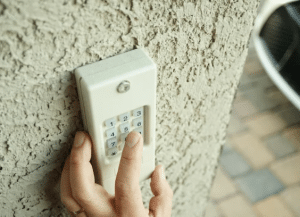
Sometimes the issue isn’t with the door mechanism but the controls themselves. Remote controls with weak or dead batteries may send inconsistent signals to the opener, causing unpredictable behavior. Similarly, wall-mounted switches can wear out or become damaged over time.
To troubleshoot, start by replacing and testing your remote’s batteries at various distances. If the problem persists, try using the wall switch. If neither method works consistently, the issue could be related to faulty wiring or a malfunctioning control board in the opener unit. In such cases, you may need an electrician or garage door technician to diagnose and repair the system.
How Do You Fix a Garage Door That Won’t Close All the Way? Step-by-Step Solutions
Realign and Clean the Sensors
Locate the two photo-eye sensors on either side of the garage door, about 6 inches above the floor. These sensors transmit an invisible beam that prevents the door from closing if something is in the way.
- Clean the lenses with a soft, dry cloth to remove dust, cobwebs, or dirt that could block the beam.
- Check alignment: Both sensors should face each other directly. Most units have LED lights on the sensors—ensure both lights are solid (not blinking or off).
- If the LEDs are off or flickering, gently adjust the brackets until the lights remain steady.
If the sensors are dirty or misaligned, the garage door opener will assume an obstruction and refuse to close the door for safety.
Adjust the Down Limit on the Opener
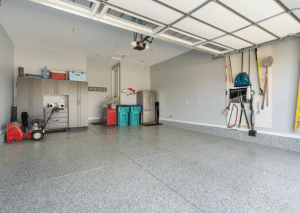
Most garage door openers have an adjustable setting that tells the motor how far the door should travel before stopping. If this setting is incorrect, the door may stop too soon and reverse.
- Locate the “Down Limit” adjustment screw or digital control on the opener housing (often found on the side or bottom).
- Turn the screw or adjust the setting slightly clockwise to increase the travel distance.
- Test the door after each adjustment to avoid overextending the travel.
If the opener thinks the floor has been reached before it has, it may reverse or stop prematurely.
Clear the Door Tracks and Path
Visually inspect the garage door tracks and the area directly beneath the door.
- Remove any obstructions such as tools, debris, toys, or small objects from the floor that might be blocking the door.
- Check the tracks for dirt buildup, dents, or misalignment. Use a flashlight to examine the entire length of the tracks on both sides.
- If the tracks are slightly bent or misaligned, try to straighten them carefully. If the damage is severe, contact a professional.
Even a small object or minor track damage can interfere with the door’s movement and trigger the opener’s safety system.
Check for Broken Springs or Cables
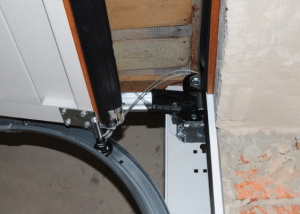
Observe the garage door as it opens and closes. If the movement is jerky, unbalanced, or if the door feels unusually heavy, this could indicate a mechanical problem.
- Inspect for broken torsion or extension springs above the door or along the sides.
- Look for frayed, loose, or snapped cables near the bottom corner of the door.
Springs and cables are essential for balanced movement. If they’re damaged, the opener may be unable to close the door properly.
Test the Controls
Try operating the door using both the remote control and the wall-mounted switch.
- If the remote doesn’t work, try replacing the batteries and testing again.
- If the wall switch works but the remote doesn’t, the issue might be with the remote or its signal.
- If neither control works consistently, inspect for worn-out buttons, faulty wiring, or consider resetting and reprogramming the opener.
Sometimes the problem isn’t mechanical—it’s an issue with the control input. Ensuring all controls work properly helps rule out communication errors.
When DIY Fixes Don’t Work
If you’ve gone through these steps and the garage door still won’t close, it’s time to contact a professional technician. Persistent problems often indicate a deeper mechanical or electrical issue that requires professional diagnostics and repair.
Don’t risk your security or cause further damage by waiting too long. Leaving your garage open can invite break-ins and worsen the issue. Wallen Garage Door Repair and Installation is ready to help with fast, reliable service you can trust.
Frequently Asked Questions
How do I adjust my garage door to go down further?
To extend the door’s downward range, locate the down travel limit adjustment on your opener and turn it slightly clockwise. After each change, test the door to ensure it closes fully without slamming into the ground.
How to fix garage door alignment?
Begin by examining the vertical tracks for any bends or looseness. Loosen the mounting brackets, carefully realign the tracks, then retighten everything. Also, check for worn parts like rollers, hinges, or cables that might cause the door to shift unevenly during movement.
How do you fix a garage door that does not close all the way?
Start by cleaning and realigning the safety sensors. Then, examine the tracks and door path for any blockages or damage. If everything appears clear, try adjusting the opener’s close-limit setting to allow the door to move slightly farther down.
How do I adjust the closing pressure on my garage door?
Locate the “down force” or similar labeled screw on your garage door opener. Turning it clockwise will increase the closing pressure, helping the door press down more firmly. Make minor adjustments and test after each one to ensure safe and proper operation.
Why isn’t my garage door closing all the way?
Your garage door might not close fully due to misaligned safety sensors, debris in the tracks, or incorrect close-limit settings. Worn rollers, frayed cables, or a struggling motor can also be factors. Look for blinking sensor lights or beeping sounds from the opener, which often help identify the problem.
Conclusion
Understanding how to fix a garage door that won’t close all the way is critical for safety and convenience. Many homeowners can resolve the issue quickly by identifying sensor issues, adjusting opener settings, or checking for obstructions.
However, not all garage door problems are easy to solve. If your efforts don’t fix the issue or the hardware is damaged, it’s best to consult a professional to avoid further complications or safety risks.
If you live in Hampton Roads, VA, and need fast, reliable garage door service, Wallen Garage Door Repair and Installation is your trusted local solution. We offer repairs, replacements, and custom solutions to keep your garage door working like new.
End Note
Wallen Garage Door Repair and Installation in Hampton Roads, VA, offers expert solutions for homeowners dealing with garage door issues of any kind. We have the combined experience and technical expertise to identify and solve problems quickly, helping you restore full functionality without delay.
Explore our garage door installation in Hampton, residential garage door services, and custom options like our garage door designer or custom garage doors. We also proudly serve the communities of Yorktown, Carrollton, and Gloucester County.
Learn more about our values and team on the About page, or view completed work in our gallery. Check out maintenance tips and news on our blog, or follow us on Facebook, Instagram, and Pinterest. Want to join our skilled crew? Visit our careers page.
Choose Wallen Garage Door for quality repairs, honest service, and dependable results throughout Hampton Roads and surrounding areas.
Wallen Garage Doors
1729 George Washington Memorial Hwy, Yorktown, VA 23693, United States
+17579260292